Choose compact herbs, match them to available light, and build a watering routine that works indoors. The most useful plan is one that suits your local conditions and can adjust as you learn what works.
Choose herbs for the light you have
Basil, parsley, chives, mint, and thyme can all grow in containers, but their light and moisture preferences differ. Observe your window through the day before buying plants; a bright south- or west-facing window often provides more direct light than a north-facing one.
If light is limited, consider a grow light made for plants and follow its placement instructions. Rotate pots periodically so stems do not lean strongly in one direction.
Use containers that drain
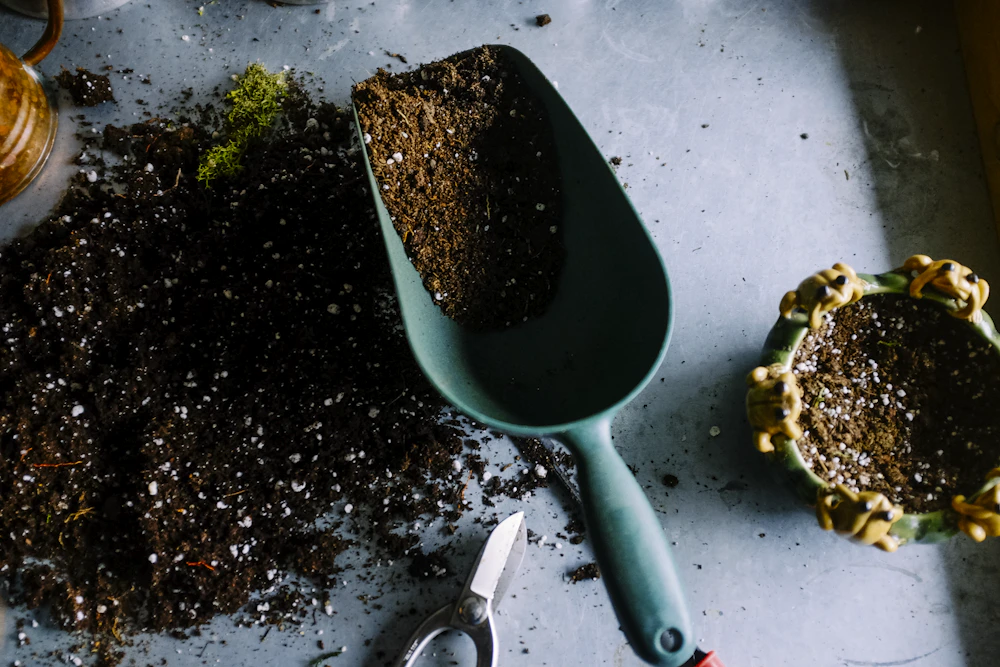
Select pots with drainage holes and set them in saucers to protect the sill. Use a quality indoor potting mix rather than dense garden soil, which can stay wet and compact in a container.
Keep mint in its own pot because it spreads vigorously. Group herbs with similar water needs, and label varieties so you can track what thrives.
Harvest a little at a time
Pinch or snip the tips above a leaf pair to encourage branching. Avoid removing too much foliage at once; plants need leaves to keep growing.
Check moisture with a finger rather than watering on a rigid schedule. Empty excess water from saucers, and adjust as indoor heat and seasonal light change.
Planting windows, pests, and recommended varieties vary across the United States. Check your state or county cooperative extension, local native plant society, and plant labels for location-specific guidance.
This article provides general gardening information. It is not a guarantee of plant performance. Follow product labels and local guidance, especially when using fertilizers, pesticides, or other garden products.